Grade 8 literature quick note: Satire

What is satire? It is meant to be a humorous form of literature. It aims to criticize people’s lack of judgment, quirks about society, or institutions. As a caution, satire literature, at times, may be offensive or political in nature. So as an example, I’ll use something I’ve slowly grown to love and appreciate over time. It has absolutely no intentions of being either offensive or political in nature — broccoli!

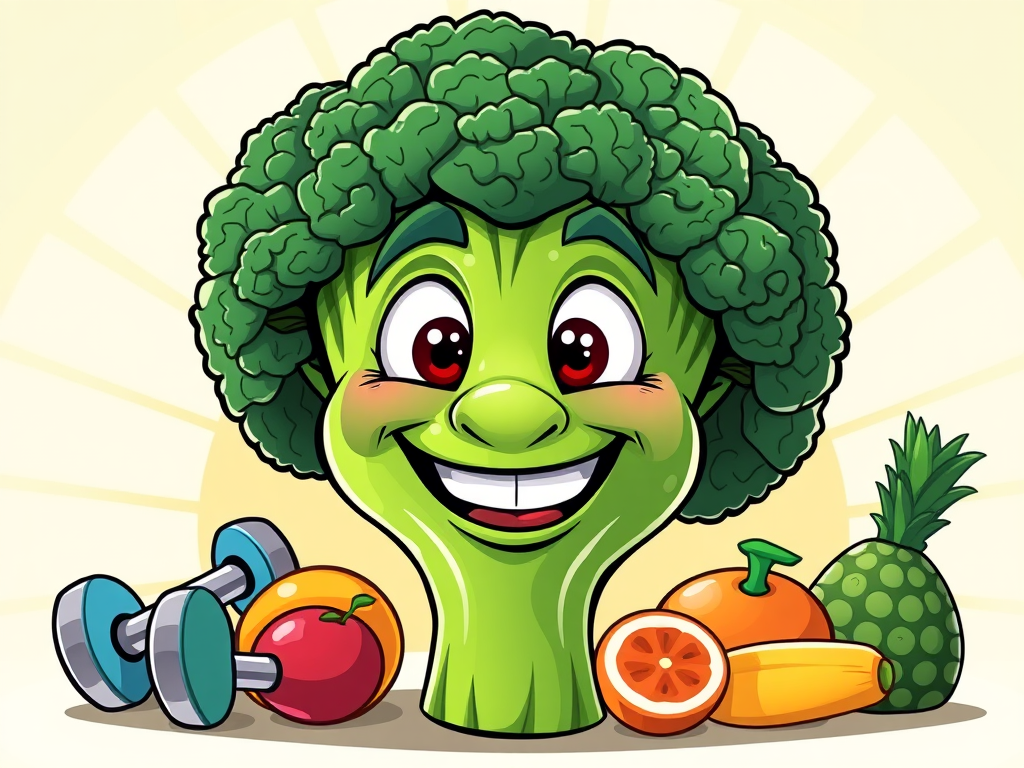
As noted in the feature image, our superhero Brocco Li is saving the day with a caution – broccoli is bad for you… Is this satirical? We might have found three key elements: irony, exaggeration, and parody.

Elements of satire

Irony – expresses the opposite of what is intended to make a point. For example, broccoli is bad for you.

Exaggeration – overstating something. For example, broccoli will give you superpowers.

Parody – a mocking imitation
Time and prepositions

We can add more details to talk about time by using prepositions. Here are some examples:

Days or dates, use on

I go to the gym on Mondays.
Sally studies English on Fridays.
Ed will visit his grandparents on the weekend.
She will visit the doctor on June 15.

With start and finish points,
use from/to or between/and

I work from 9pm to 5pm.
I work between 9pm and 5pm.
The bugs come out between dawn and dusk.
The ski resort is open between September and May.

Only a finish point,
use until.

I work until 5pm.
I cannot leave until the teacher comes back.
I will keep eating until I am full.

To talk about how long,
use for.

I have been working for 7 hours.
I have been waiting for an hour to see the doctor.
We lined up for 3 hours to buy tickets for the concert.

To talk about what you did in between,
use during.

I went for a walk during my break.
During summer vacation I went swimming a lot.
I slept well during the flight.

Being Specific

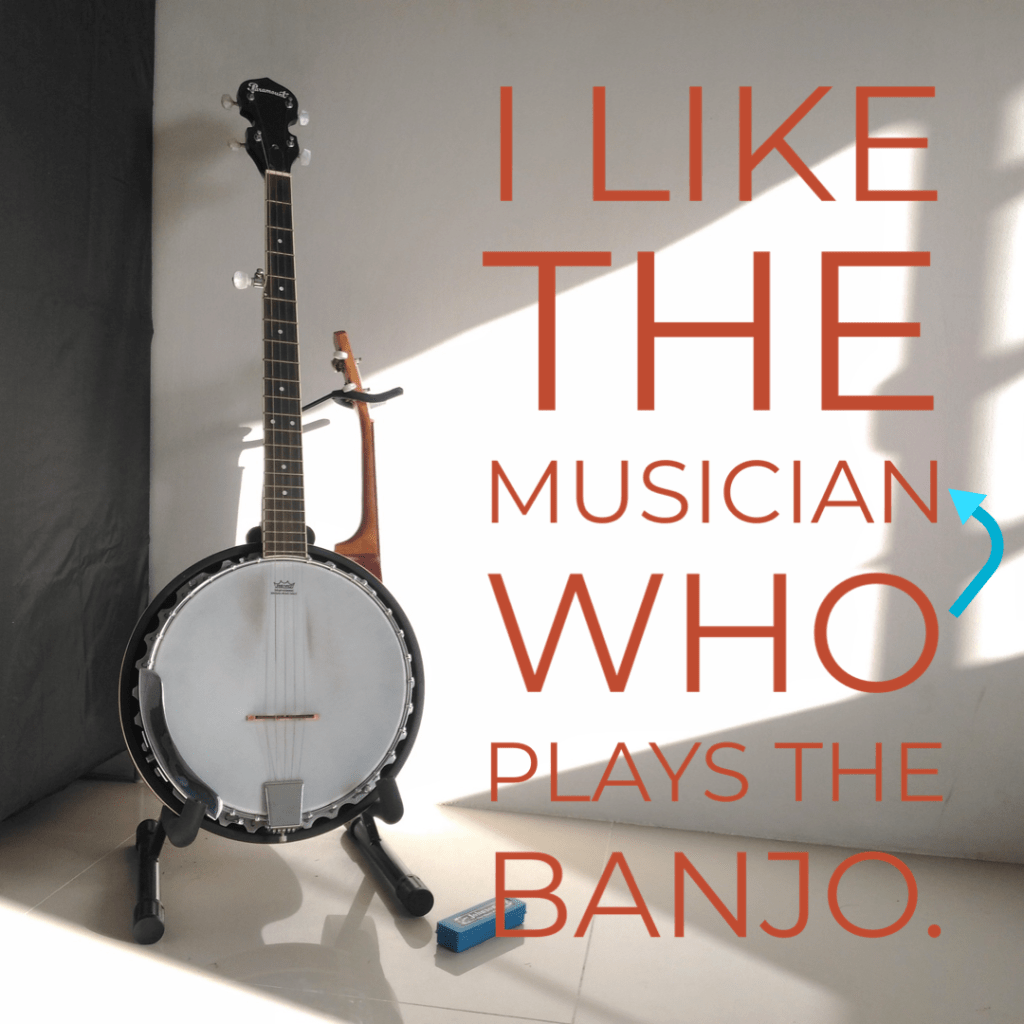
How do we add more detail when describing something or someone? When describing people we use the word “who.” But we aren’t using “who” as a question, but it means “that person.” Here are some examples:

I am looking for a person who can teach Chinese.
The man who lives there drives a nice car.
The person who I have to meet at the airport will be wearing a blue coat.

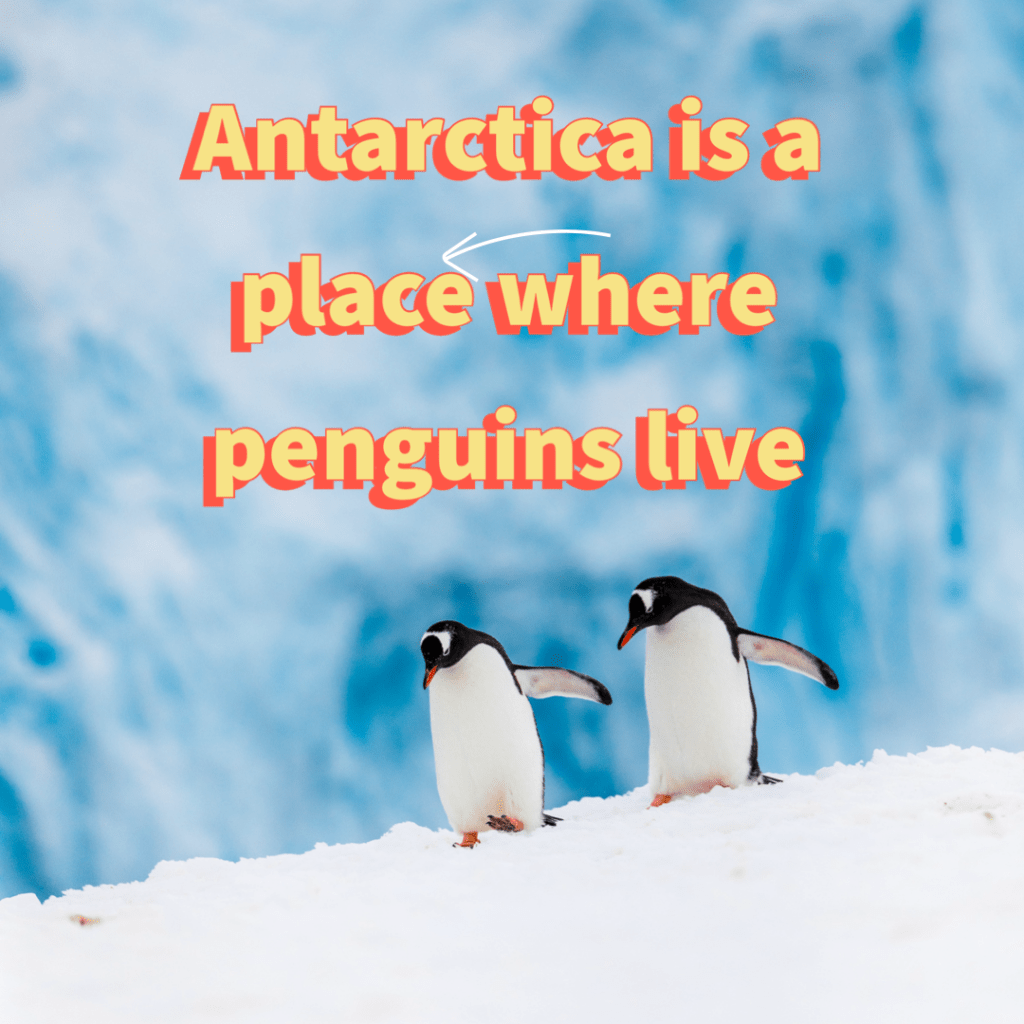
In the same way, we can use the word “that” to describe things.

I have a job that is very enjoyable.
It is a good idea to eat food that can keep you healthy.
I would like to find a job that I can walk to.

Here are a few more examples:

These are called relative clauses. They add more information to the subject in a sentence. A fancy name for something that can really help add more information about something or someone! Can you think of any examples?

Must not, or don’t have to?

There is a very big difference between must not and don’t have to. “Must not” is like DO NOT! But “don’t have to” often means you can if you want, but it’s not necessary. Here are some examples:

You must not touch the hot stove.
You must not wake me up in the morning! I will be very cranky!
You must not drink milk that has expired.

You don’t have to wear a raincoat today, it’s not supposed to rain.
You don’t have to eat all your broccoli, it doesn’t taste very good.
You don’t have to go to school today because it’s a holiday.

Do you see the difference? “Must not” is more like a command, but “don’t have to” lets the listeners decide or conclude they do not need to do something.

Create a website or blog at WordPress.com

Up ↑